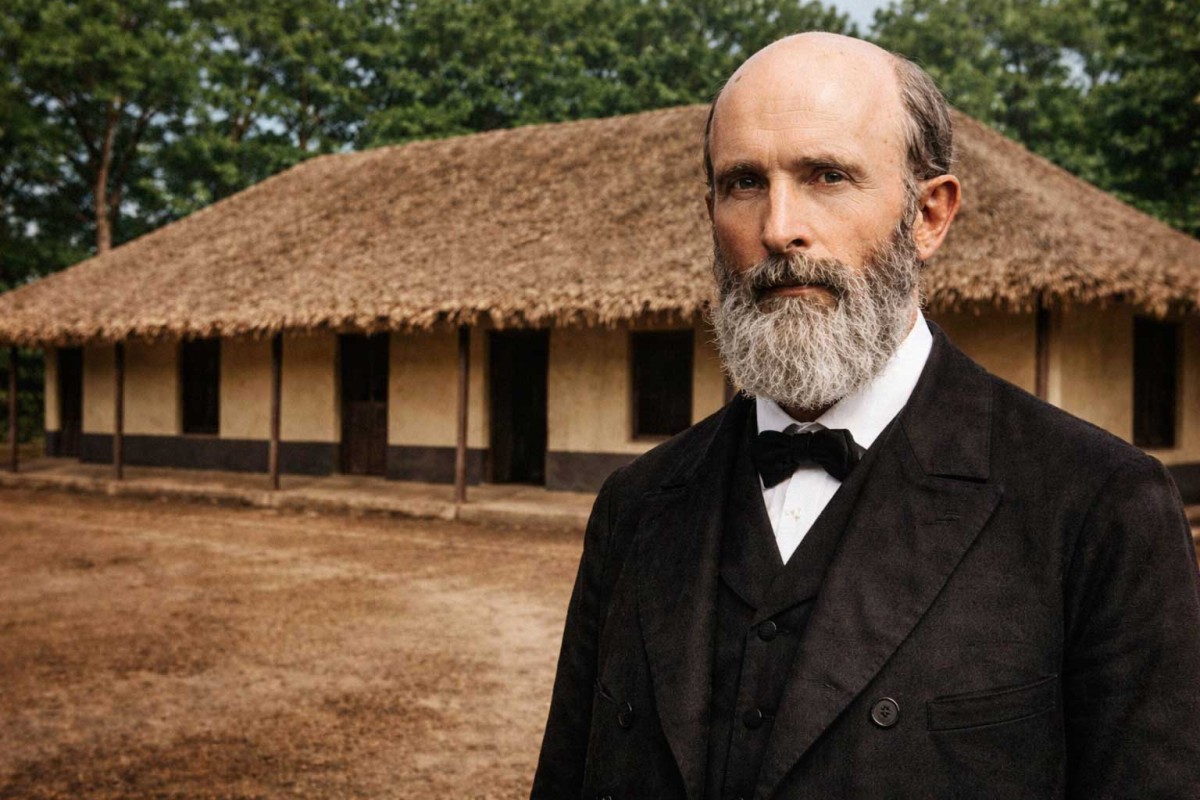
In the mid-19th century, in the quiet village of Manipay in northern Sri Lanka, a transformative movement in medicine began—one that would permanently reshape the island’s healthcare and educational systems. At the center of this transformation was Dr. Samuel Fisk Green (1822–1884), an American medical missionary whose work laid the foundation for Western medical education in Ceylon (now Sri Lanka). His contributions were not merely institutional but deeply philosophical, rooted in accessibility, language, and service to local communities.
Born in Worcester, Massachusetts, Green pursued medical education in New York and graduated as a physician in 1845. Shortly after, he joined the American Ceylon Mission and embarked on a long, arduous sea journey to Sri Lanka in 1847—a voyage that took over four months. Notably, he used this time to begin learning Tamil, a decision that would later define his legacy.
Initially stationed at Batticotta Seminary (now Jaffna College), Green quickly gained recognition for his exceptional medical skills. His successful treatment of complex cases, including surgical procedures performed under minimal conditions, attracted large numbers of patients.
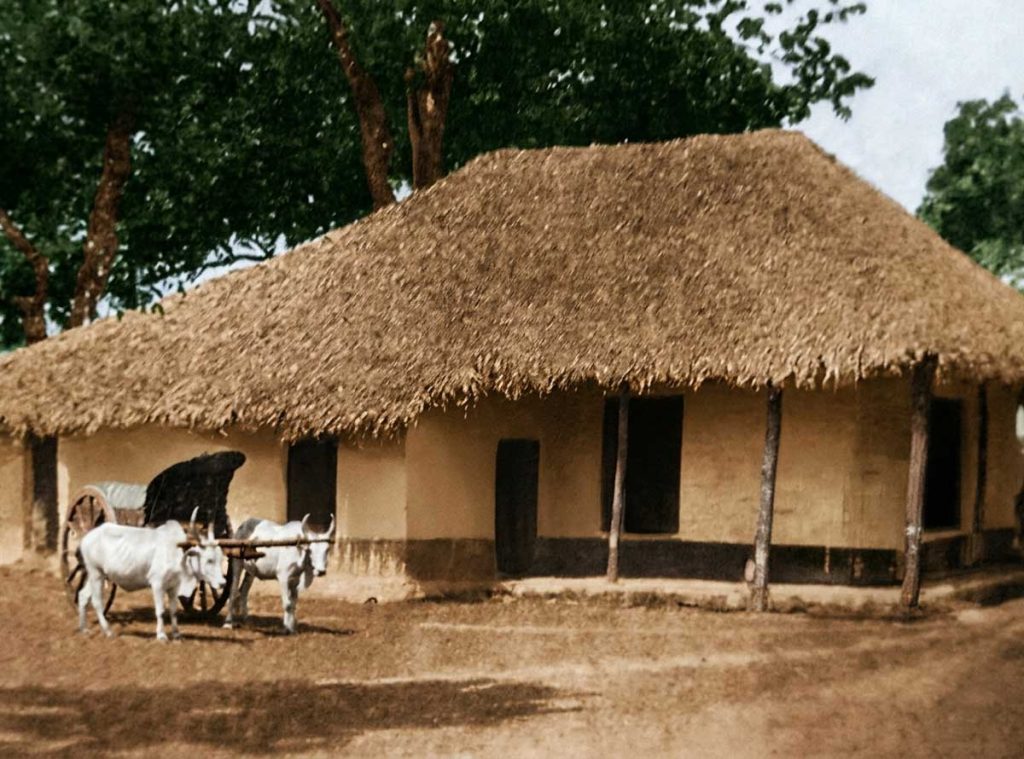
However, the influx of patients disrupted the seminary’s academic routine. As a result, Green relocated to Manipay in 1848, where he established what would become Sri Lanka’s first West
ern-style medical hospital and school—later known as the Green Memorial Hospital.
Green’s institution in Manipay is widely recognized as the first medical school and teaching hospital in Sri Lanka and one of the earliest in South Asia. At a time when modern healthcare infrastructure was virtually non-existent, this was a groundbreaking achievement.
Through this institution, Green trained local students in Western medicine, performing surgeries and treating diseases such as cholera, smallpox, malaria, and
pneumonia.
By the time he left Sri Lanka in 1873, he had trained over 60 native doctors—an extraordinary number given the limited resources and challenging conditions of the time. Many of these students went on to serve across the island, significantly improving healthcare access.
One of Green’s most radical and enduring contributions was his decision to teach Western medicine in Tamil rather than English. At the time, English was the dominant language of education under British colonial rule. However, Green recognized a critical issue: doctors trained in English often migrated toward government jobs, leaving rural communities underserved.
To address this, he introduced the concept of vernacular medical education—training doctors in their native language so they could serve their own communities effectively.
This decision required immense effort. Green and his students translated thousands of pages of complex medical literature into Tamil, effectively creating a new scientific vocabulary in the language.
This initiative not only democratized medical knowledge but also contributed to the development of scientific Tamil, bridging the gap between traditional language and modern science.
Initially, the British colonial government was reluctant to support Green’s efforts. However, as the effectiveness of his work became evident—especially during disease outbreaks such as cholera—the government eventually increased its support and sought his expertise.
His students were highly regarded for their competence. Observers noted that their knowledge and skills were comparable to those of medical graduates in England.
Green also contributed to expanding healthcare infrastructure beyond Manipay, assisting in the development of hospitals in Jaffna town, including what would later evolve into major teaching institutions.
Green’s work was not without personal cost. He endured illness, including cholera, and faced immense physical and emotional challenges during his years in Sri Lanka. Despite this, he remained deeply committed to his mission.
He returned to the United States in 1873 due to declining health and passed away in 1884. Yet, even in his final years, his thoughts remained with the people of Jaffna.
In his will, he requested a simple epitaph:
“Medical Evangelist to the Tamils.”
This understated inscription reflects the humility and clarity of purpose that defined his life.
Today, the Green Memorial Hospital continues to function, serving as a lasting symbol of resilience and service. Despite challenges, including the impacts of civil conflict in Sri Lanka, the institution remains active under the administration of the Jaffna Diocese of the Church of South India.
Green’s legacy extends beyond infrastructure. He established a model of localized medical education, emphasizing accessibility, cultural integration, and community service—principles that remain relevant in modern healthcare systems.
While Green is celebrated as the pioneer of Western medical education in Sri Lanka, his legacy is often discussed alongside that of Professor Senaka Bibile (1920–1977), known as the father of Sri Lanka’s National Drug Policy.
Although separated by a century, their contributions represent two complementary yet contrasting philosophies:
| Aspect | Samuel Fisk Green | Senaka Bibile |
|---|---|---|
| Focus | Education & Translation | Policy & Pharmacology |
| Core Idea | Medicine in native language | Affordable generic medicine |
| Challenge | Lack of knowledge & access | High cost of drugs |
| Legacy | Tamil medical texts, Green Memorial Hospital | State Pharmaceuticals Corporation |
Rather than conflicting, their legacies can be seen as two phases of medical independence in Sri Lanka—first intellectual, then economic.
Dr. Samuel Fisk Green’s work represents a rare convergence of medicine, education, and cultural sensitivity. His decision to teach in Tamil was not just a linguistic choice but a strategic intervention that ensured healthcare reached the grassroots level.
In a colonial context where systems often favored elites, Green’s approach empowered local communities, making him not just a physician, but a reformer and educator.
His legacy endures not only in institutions and textbooks but in the very idea that knowledge must be accessible to be effective.